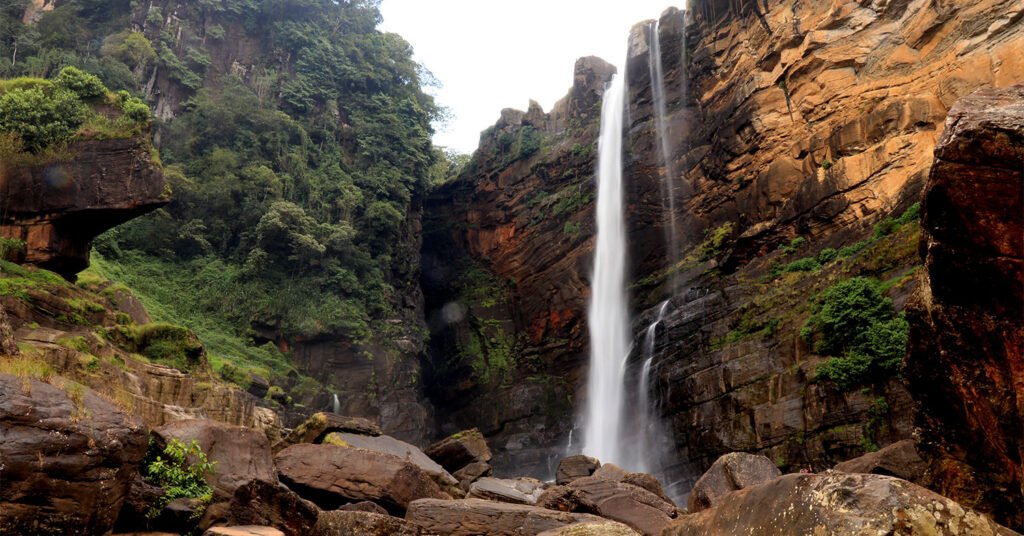
Tired of crowded safaris and noisy tourist hotspots? Lunugamvehera National Park might just be the peaceful escape you’re looking for. Tucked away in Sri Lanka’s southeastern dry zone, this hidden gem offers a quieter, more intimate wildlife experience—without sacrificing the thrill of spotting elephants, leopards, and rare birds in the wild. It’s not as famous as Yala or Udawalawe, but that’s exactly what makes it special. Serving as a vital corridor between these two iconic parks, Lunugamvehera is rich in biodiversity and natural beauty. Whether you’re a nature lover, wildlife photographer, or just someone craving a deeper connection with Sri Lanka’s untamed side, this park delivers adventure without the chaos. Ready to explore the wild at your own pace? Let’s dive in.
Key Facts About Lunugamvehera National Park
Curious about what makes Lunugamvehera National Park so special? Here’s a quick overview of the essentials every traveler should know before planning a visit. From its location to the kind of wildlife you’ll encounter, these key facts give you a solid starting point for your adventure.
📍 Location
Lunugamvehera is nestled in the Monaragala District of Uva Province, in the southeastern part of Sri Lanka. Surrounded by dry zone forests and close to major national parks, it’s a perfect stop for anyone exploring the island’s wild side.
🗓️ Established
The park was officially declared a national park on December 8, 1995. Its primary purpose was to protect the Lunugamvehera Reservoir’s catchment area and act as a wildlife corridor for elephants moving between Yala and Udawalawe.
📏 Size
Covering a vast 23,498 hectares, the park includes 3,283 hectares of reservoir—a magnet for birds, crocodiles, and thirsty wildlife. This mix of land and water makes it one of Sri Lanka’s most diverse ecosystems.
🐘 Main Attractions
Wildlife is the true star of Lunugamvehera. Here’s what you might encounter on safari:
Large herds of Sri Lankan elephants
The elusive leopard, especially near Galge entrance during early mornings
Crocodiles sunbathing near the water’s edge
Over 180 species of birds, including painted storks and white-bellied sea eagles
This rich biodiversity makes it a dream destination for nature lovers, birdwatchers, and photographers.
🕒 Opening Hours
The park is open daily from 6:00 AM to 6:00 PM, giving visitors plenty of time to enjoy morning and evening safaris—prime hours for spotting wildlife.
💰 Entry Fee
Here’s a quick breakdown of the current entrance fees:
| Visitor Type | Price |
|---|---|
| Local Adults | LKR 150 |
| Local Children (6–12) | LKR 100 |
| Foreign Adults | USD 25 |
| Foreign Children (6–12) | USD 15 |
| SAARC Adults | USD 20 |
| SAARC Children (6–12) | USD 10 |
| Children under 6 (All) | Free |
| Group Vehicle Fee | LKR 400 (Local), USD 10 (Foreign) |
| Vehicle Entry Fee | LKR 300 |
| Tax on total cost | 18% |
Tip: Jeep safari charges are separate and typically range from LKR 7,500–10,000 for a half-day trip.
🧭 Safari Access Points
You can enter the park through two main gates:
Thanamalwila Entrance (on the Hambantota–Wellawaya road) – the most commonly used
Galge Entrance (via Sella Kataragama–Buttala road) – quieter and rich in wildlife sightings
Both offer guided jeep safaris, so pick the one that best fits your travel route.
🚩 Nearby National Parks
Planning a wildlife road trip? You’re in luck. Lunugamvehera is ideally located near:
Yala National Park – famous for its leopard population
Udawalawe National Park – known for elephant encounters
Bundala National Park – a UNESCO-recognized bird sanctuary
Ussangoda National Park – featuring unique red soil landscapes by the sea
With this central location, Lunugamvehera is a smart addition to any Sri Lanka safari itinerary.
How to Reach Lunugamvehera National Park
Getting to Lunugamvehera National Park is easier than you might think. Whether you’re coming from Colombo, Ella, or down south in Galle, this wildlife haven is well connected by road. The park lies in Monaragala District, about 261 km from Colombo, and can be reached via multiple travel options to suit every budget and travel style.
🟫 From Major Cities – Travel Time & Options
Here’s a quick overview of how to reach Lunugamvehera from key locations in Sri Lanka:
| From | Mode | Duration | Notes |
|---|---|---|---|
| Colombo | Car/Taxi | 4.5–5 hrs | Best option for comfort; via Southern Expressway |
| Bus + Tuk | 6–7 hrs | Affordable; requires transfers at Thanamalwila | |
| Ella | Taxi/Car | 1.5–2 hrs | Scenic drive through lush hills |
| Galle | Car | 4.5–5 hrs | Travel via Matara and Wellawaya |
| Tissamaharama | Car | 45–60 mins | Closest city to the park; perfect for day trips |
💡 Travel Tip:
Use Google Maps, PickMe, or local taxi booking apps to compare travel times and costs. Local buses are available to Thanamalwila, the nearest town to the park, from where you can easily hire a tuk-tuk to reach the entrance.
Which Entrance Should You Choose?
There are two main access points to the park:
Thanamalwila Entrance: Most commonly used and easiest to reach by public transport.
Galge Entrance: More remote but offers excellent chances to spot wildlife early in the morning, especially near Veheragala Reservoir.
Both entrances offer jeep safari services, and experienced local guides are readily available to enhance your wildlife experience.
Whether you’re chasing a tranquil escape from the city or planning a full wildlife itinerary that includes nearby parks like Yala or Udawalawe, Lunugamvehera National Park is well worth the journey.
What to Expect at Lunugamvehera National Park
Visiting Lunugamvehera National Park is a refreshing escape into Sri Lanka’s untamed wilderness. Unlike the more tourist-heavy parks like Yala, Lunugamvehera offers a peaceful, off-the-beaten-path experience that feels more personal and less commercialized. It’s the perfect spot for nature lovers, wildlife photographers, and anyone who enjoys exploring in serenity.
🌿 A Quieter Safari Experience
One of the first things you’ll notice is the calm. Safaris here aren’t rushed or overcrowded. Instead, you’ll have the space and silence to truly connect with nature. This laid-back atmosphere is a major draw for travelers looking to avoid the typical tourist scene while still getting the full wildlife experience.
🐘 Wildlife You’ll Encounter
The park is home to an impressive range of animals. It’s especially famous for being part of a vital elephant migration corridor between Yala and Udawalawe. Here’s a glimpse of what you might see:
Elephants – roaming in herds or alone near waterholes
Leopards – occasionally spotted, especially early mornings near Galge
Wild Buffalo and Spotted Deer – grazing in open plains
Mugger Crocodiles – sunbathing near the reservoirs
Birds – including painted storks, sea eagles, peafowl, and migratory species
Bring your binoculars—Lunugamvehera is a birdwatcher’s dream, with over 180 recorded species.
🌳 Natural Landscape
The park features dry mixed evergreen forests, thick scrublands, wetlands, and tranquil reservoirs. These varied habitats support a diverse ecosystem and provide countless scenic photo opportunities. Whether it’s the sun rising over the Veheragala Reservoir or a herd of deer grazing in the grasslands, the natural beauty here is endless.
🚙 Safari Options
Most visitors opt for a half-day jeep safari, which typically lasts 3–4 hours. Morning safaris (starting around 6 AM) are perfect for spotting active wildlife. Evening safaris (around 3 PM) offer cooler weather and golden lighting—ideal for photography.
📸 Perfect for Nature Enthusiasts
If you love nature, Lunugamvehera delivers. It’s one of those rare places where you can truly slow down and appreciate the rhythms of the wild. Whether you’re a seasoned wildlife photographer or just want to enjoy the moment, this park offers an experience that’s both rewarding and relaxing.
In short, expect fewer crowds, richer sightings, and a deeper connection with Sri Lanka’s natural world—Lunugamvehera National Park is where wild meets peaceful.
Best Time to Visit Lunugamvehera National Park
Planning the perfect safari to Lunugamvehera National Park? Timing your visit can make all the difference. From optimal wildlife sightings to smooth travel conditions, here’s what you need to know before you book your adventure.
📅 Visit During the Dry Season (May to September)
The dry season is hands down the best time to visit Lunugamvehera National Park. With less rainfall, animals gather around water sources, making them easier to spot—especially elephants, deer, and water birds near reservoirs like Veheragala.
Clear skies mean better visibility for photography
Jeep trails are more accessible, reducing the chance of road closures
Migratory patterns peak, especially for elephants passing through from Yala and Udawalawe
This period is also ideal for those asking, “What animals are in Lunugamvehera National Park?”—because you’ll have the highest chances of seeing them.
🌧️ Avoid the Rainy Season (October to December)
Monsoon rains hit the area between October and December, bringing heavy showers that can make roads muddy and some areas difficult to access. Wildlife tends to stay deeper in the forest, making sightings more challenging.
If you’re planning a trip during this time, be prepared for occasional interruptions and bring rain gear just in case.
⏰ Best Time of Day for Safaris
Animals in Lunugamvehera are most active during:
Early Mornings (6:00–9:00 AM) – Great for birdwatching and catching leopards near waterholes
Late Afternoons (3:00–6:00 PM) – Cooler temperatures and golden light, ideal for photos
Avoid the midday heat when animals are usually resting in the shade.
🐘 A Great Alternative When Yala Closes
Did you know Yala National Park closes every September for maintenance? During this time, Lunugamvehera becomes the perfect alternative. Many travelers shift their plans here, and the park offers a much calmer experience with the same chance of seeing elephants, leopards, and rich birdlife.
So if you’re after a relaxed yet rewarding wildlife experience, aim for May to September, pick an early morning or late afternoon safari, and skip the rainy season if you want the best out of Lunugamvehera National Park.
Tips for Visiting Lunugamvehera National Park
A safari in Lunugamvehera National Park is a truly rewarding experience—especially if you come prepared. Whether it’s your first time visiting a national park in Sri Lanka or you’re an experienced wildlife enthusiast, these simple tips will help you get the most out of your trip.
👕 Dress for the Wild
Wear lightweight, breathable clothing in neutral tones like beige, olive, or khaki. Bright colors can scare off wildlife, and dark colors may attract insects.
Long sleeves and pants are ideal to protect you from sun and insect bites, especially during early morning or evening safaris.
🧢 Pack the Essentials
Binoculars are a must if you’re keen on spotting birds or distant animals in the thick brush.
Bring a camera with zoom lens to capture those once-in-a-lifetime wildlife moments.
Don’t forget sun protection—a wide-brimmed hat, sunglasses, and sunscreen will help you handle the dry heat of the park.
Carry plenty of water in a reusable bottle to stay hydrated during the 3–4 hour safari.
Insect repellent is highly recommended, especially during the early morning hours.
🚙 Follow Safari Guidelines
To protect both you and the animals, Lunugamvehera National Park enforces strict park rules:
Always stay inside your safari jeep—getting out is both dangerous and illegal.
Keep your voice low and avoid loud noises or sudden movements. Silence gives you a better chance of seeing animals up close.
Never feed or disturb wildlife. It disrupts their natural behavior and can create unsafe situations for future visitors.
🐘 Respect the Wild
Every visitor plays a role in preserving this delicate ecosystem. Be mindful of your impact:
Take only pictures, leave only footprints.
Don’t litter—carry out whatever you bring in.
Listen to your licensed safari guide—they know the park’s terrain and wildlife patterns best.
By following these tips, you’ll not only enjoy a safe and comfortable adventure—you’ll also contribute to the conservation of one of Sri Lanka’s most important natural habitats. Lunugamvehera National Park is at its best when visitors treat it with care.
Top Highlights & Wildlife Encounters
One of the most exciting parts of visiting Lunugamvehera National Park is the chance to witness an incredible variety of wildlife in their natural habitat. From massive elephant herds to stealthy leopards and vibrant birdlife, this park offers raw, untamed beauty at every turn.
🐘 Elephant Corridors: Watch Herds on the Move
Lunugamvehera plays a vital role as a wildlife corridor, especially for elephants migrating between Yala and Udawalawe National Parks. Sightings of large herds moving gracefully through open plains or gathering near water bodies are common, particularly during the dry season. It’s a breathtaking experience to see these gentle giants roam freely in such a serene setting.
🐆 Leopard Spottings Near Galge Entrance
Leopards are elusive but not impossible to spot—especially if you visit the Galge Entrance around dawn. Early morning safaris offer the best chance of catching a glimpse of a leopard on the move, usually near thickets or along the dusty jeep tracks. Seeing one in the wild is a thrilling, bucket-list moment for many wildlife lovers.
🐊 Veheragala Reservoir: Crocs & More
The Veheragala Reservoir inside Lunugamvehera is not only a tranquil landscape but also a magnet for wildlife. Keep your eyes peeled for mugger crocodiles basking along the banks or gliding silently through the water. It’s also a prime location to spot rare water birds, especially during the migratory season.
🦅 Birdwatching Hotspot
With over 180 bird species, Lunugamvehera is a dream come true for birdwatchers. Some of the frequent flyers you’ll encounter include:
Spot-billed pelicans
White-bellied sea eagles
Indian peafowl dancing in the grasslands
Painted storks, Asian openbills, and more
Bring your binoculars—there’s always something flapping or soaring above the trees.
🌳 Flora Diversity: A Living Landscape
The park’s diverse plant life is just as fascinating as its animals. The landscape is a mix of dry evergreen forests, scrubland, and grasslands. You’ll find native trees like:
Weera (Drypetes sepiaria)
Teak and eucalyptus plantations
Lantana, carmona, and thorny bushes covering the understory
This blend of habitats supports the rich biodiversity Lunugamvehera is known for and creates beautiful backdrops for safari photos.
In short, every corner of Lunugamvehera National Park offers a surprise—from predator tracks on the trail to flocks of birds overhead. Whether you’re a wildlife enthusiast or a curious traveler, this park delivers unforgettable encounters with Sri Lanka’s wild heart.
Accommodation Options Near Lunugamvehera
Planning to explore Lunugamvehera National Park? You’ll find a range of accommodation options nearby to match your budget and travel style. Whether you’re after luxury glamping, eco-style stays, or simple guesthouses, this area has you covered.
🏕️ Wild Coast Tented Lodge – Luxury Meets Wilderness
For a truly unique experience, Wild Coast Tented Lodge offers luxury safari-style accommodations near Yala’s borders, just a short drive from Lunugamvehera. Nestled between jungle and beach, this eco-lodge combines five-star comfort with close encounters in nature.
Dome-shaped tents with air conditioning and freestanding bathtubs
On-site dining and private plunge pools
Ideal for honeymooners or upscale wildlife getaways
If you want to pair your Lunugamvehera safari with a luxurious stay, this is a top pick.
🛖 Jetwing Safari Camp – Comfortable and Close to Nature
Located near the park’s eastern border, Jetwing Safari Camp offers stylish tents that provide comfort without removing you from the wild. It’s designed for travelers who want nature on their doorstep with reliable amenities.
Spacious, air-cooled tents with en-suite bathrooms
Safari tour packages and expert guides available
Sustainable design with a strong eco-conscious mission
It’s a great mid-range option blending adventure and relaxation.
🏠 Thanamalwila Guesthouses – Affordable & Convenient
For travelers on a budget, Thanamalwila town offers several guesthouses and homestays. These are located close to the main entrance of Lunugamvehera National Park and are ideal for short stays or spontaneous travel plans.
Low-cost rooms with basic amenities
Friendly hosts and home-cooked meals
Easy access to jeep safaris and local transportation
If you’re looking for affordability and proximity, this is your go-to base.
🏨 Hotels in Kataragama & Tissamaharama – More Choices Nearby
If you prefer staying in a more developed town with restaurant options, banks, and tour agencies, consider booking a hotel in Kataragama or Tissamaharama.
Kataragama is known for its religious sites and festival culture
Tissamaharama is a popular hub for Yala and Bundala safaris
Both towns are under an hour’s drive to Lunugamvehera
These towns offer everything from budget lodgings to full-service resorts, giving you more flexibility when planning your safari adventure.
FAQs About Lunugamvehera National Park
Planning a visit to Lunugamvehera National Park and still have a few questions? Here are the most frequently asked questions to help you prepare for your adventure.
What animals are in Lunugamvehera National Park?
Lunugamvehera is home to a diverse range of wildlife. You can expect to see:
Sri Lankan elephants in herds, especially near water sources
Leopards, though rare, are spotted near the Galge entrance
Spotted deer, sambar deer, wild boars, and buffaloes
Mugger crocodiles near the Veheragala Reservoir
Over 180 bird species, including sea eagles, pelicans, and peafowl
This makes it an ideal destination for nature lovers and wildlife photographers.
Which national park in Sri Lanka is better—Yala or Lunugamvehera?
It depends on what you’re looking for:
Yala National Park is famous for leopards and has more developed tourist infrastructure
Lunugamvehera offers a quieter, less crowded safari with rich biodiversity and peaceful landscapes
For travelers who value serenity and fewer vehicles on safari, Lunugamvehera is a fantastic choice.
What is the Lunugamvehera National Park ticket price?
As of the latest rates:
Local Adults: LKR 150
Foreign Adults: USD 25
Foreign Children (6–12 years): USD 15
Group Fee (Foreign): USD 10 per vehicle
Vehicle Entry Fee: LKR 300
Additional 18% tax applies to the total cost
Children under 6 can enter free, and SAARC country visitors get discounted rates.
Where is Lunugamvehera located?
Lunugamvehera National Park is located in the Monaragala District of Uva Province, in southeastern Sri Lanka. It’s about 261 km from Colombo and easily accessible from towns like Ella, Tissamaharama, and Thanamalwila.
Can I see leopards in Lunugamvehera?
Yes, leopards do inhabit Lunugamvehera, although sightings are less frequent compared to Yala. Your best chance is around dawn near the Galge entrance, when these elusive cats are most active. Patience and a skilled guide increase your chances.
How do I book a safari at Lunugamvehera?
Safaris can be arranged through:
Guesthouses or hotels in Thanamalwila, Tissamaharama, or Kataragama
Local tour operators offering half-day or full-day jeep packages
Park entrances, where guides and vehicles are available on-site
It’s best to book in advance during peak seasons (May–September) to ensure availability.
Is Lunugamvehera National Park open year-round?
Yes, the park is open daily from 6:00 AM to 6:00 PM, all year round. However, the best time to visit is during the dry season (May to September) for clear skies and optimal wildlife sightings. Some internal roads may be less accessible during heavy rains from October to December.
Why Lunugamvehera Deserves a Spot on Your Sri Lanka Itinerary
If you’re planning a wildlife adventure in Sri Lanka, Lunugamvehera National Park is a destination you shouldn’t overlook. It’s the perfect blend of solitude and adventure, offering a raw and unfiltered safari experience that’s becoming harder to find in more commercialized parks.
Unlike the often-crowded trails of Yala, Lunugamvehera gives you space to breathe. Here, you can truly connect with nature—whether you’re watching a herd of elephants gather at a reservoir, quietly tracking birds through binoculars, or capturing golden-hour shots of wildlife in motion.
What sets this park apart is its rich biodiversity without the tourist buzz. From leopards near the Galge entrance to rare migratory birds skimming across Veheragala Reservoir, the diversity here is simply extraordinary. And the best part? You won’t be surrounded by jeep convoys and camera-clicking crowds. It’s just you, your guide, and the wild.
For eco-conscious travelers, photographers, and those craving a more authentic, peaceful escape, Lunugamvehera is a dream. It also makes a smart addition to any itinerary that already includes Yala, Udawalawe, or Ella—offering a deeper look into Sri Lanka’s natural treasures.
So, if you’re wondering which national park in Sri Lanka is better for avoiding crowds and still seeing spectacular wildlife, Lunugamvehera answers with a quiet roar.