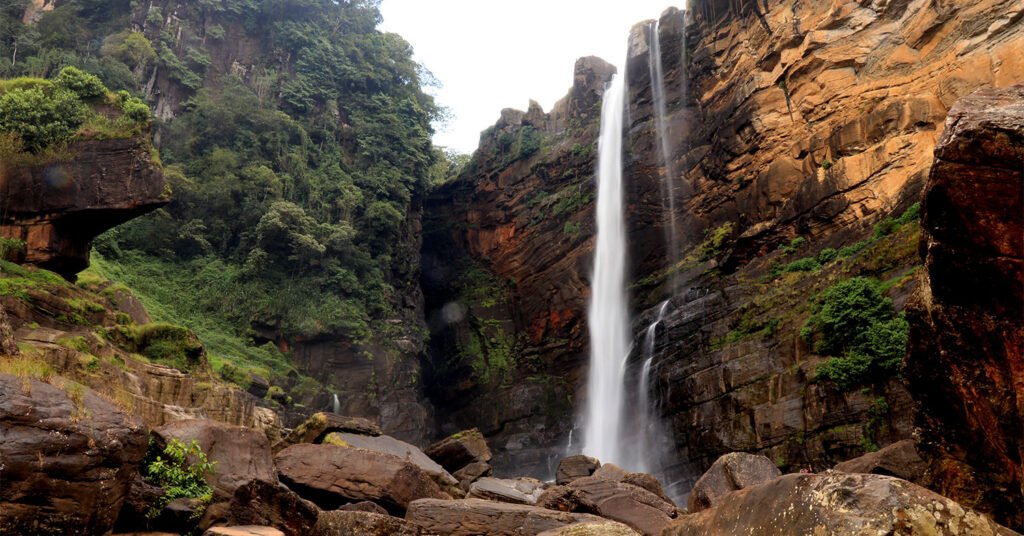
Looking for a wild escape far from the crowds? Kumana National Park is your hidden gem. Tucked away in Sri Lanka’s southeast near Arugam Bay, this peaceful paradise is a dream come true for bird lovers, wildlife enthusiasts, and adventure seekers alike. Known for its rare migratory birds and quiet safaris, Kumana offers a one-of-a-kind experience that feels worlds away from the tourist-packed trails of Yala. Picture flocks of painted storks gliding over tranquil lagoons, leopards prowling through golden grasslands, and elephants gathering by the water’s edge—all in a serene setting untouched by time. If you’re wondering “Is Kumana National Park worth it?”—the answer is a resounding yes. Keep reading to discover why this off-the-beaten-path destination belongs on every nature lover’s itinerary.
Key Facts About Kumana National Park
Planning a visit to Kumana National Park? Here are the key details you need to know before your adventure begins. From wildlife highlights to entry fees, this quick guide will help you prepare for an unforgettable safari in one of Sri Lanka’s most tranquil national parks.
📍 Location: Where Is Kumana National Park?
Kumana National Park is located in Sri Lanka’s Eastern Province, about 391 km from Colombo, and just a short drive from Arugam Bay, a popular surfing and beach town. The park borders the southern edge of Yala National Park, giving you access to one of the country’s most biodiverse wildlife regions.
🌿 Park Size and Landscape
Covering 35,664 hectares of pristine wilderness, Kumana boasts a variety of landscapes—shimmering lagoons, wetlands, mangrove forests, and golden grasslands. The centerpiece is Kumana Villu, a 200-hectare swamp fed by the Kumbukkan Oya, where thousands of birds nest each year.
🐦 Birdlife: A Paradise for Birdwatchers
If you’re a bird enthusiast, Kumana is a dream come true. The park is home to over 250 species of resident and migratory birds. The best time for birdwatching is between April and July, when the wetlands come alive with painted storks, pelicans, spoonbills, and the rare black-necked stork.
🐘 Wildlife: What Animals Can You See?
Kumana isn’t just about birds. It’s also home to an impressive range of wildlife:
Sri Lankan elephants
Leopards (rare but possible sightings)
Crocodiles
Golden jackals
Spotted and sambar deer
Wild boars and monkeys
Though sightings of big cats are less frequent than in Yala, they’re still possible—especially during early morning safaris.
🕒 Opening Hours
The park is open daily from 6:00 AM to 6:00 PM. Most safaris are scheduled during these hours, with early mornings and late afternoons offering the best chance to spot active wildlife.
💰 Entry Fee
Entrance fees are affordable and help with conservation efforts:
Locals: Around LKR 1,500+ per person
Foreigners: Approximately USD 15–25 per person
Prices may vary depending on guide charges, taxes, and group size.
🚙 Safari Jeep Price
To explore the park, you’ll need a 4×4 safari jeep with a licensed guide. Expect to pay:
LKR 6,000 – 9,000 per jeep (for a half-day safari)
Prices often include the driver, park entry, and guide services
Booking your safari in advance—especially during peak birdwatching months—is highly recommended.
How to Reach Kumana National Park
Getting to Kumana National Park is part of the adventure. Whether you’re traveling from Colombo or exploring nearby Arugam Bay, there are several convenient ways to access this serene wildlife haven. Here’s a quick guide on travel times and the best transport options to help you plan your journey with ease.
🟫 From Major Cities – Travel Time & Options
| From | Mode | Duration | Notes |
|---|---|---|---|
| Colombo | Private Car | 7–8 hrs | Most comfortable route via Southern Expressway |
| Bus + Taxi | 9 hrs+ | Take a bus to Pottuvil, then hire a tuk-tuk | |
| Arugam Bay | Taxi or Tuk-Tuk | 1.5 hrs | Easiest and most popular route for safari goers |
| Batticaloa | Taxi or Private Car | 3–4 hrs | Ideal if you’re flying in via domestic airport |
No matter where you’re coming from, the drive to Kumana takes you through Sri Lanka’s picturesque southeastern countryside. If you’re staying in Arugam Bay, it’s the most convenient base for organizing a Kumana National Park safari, with plenty of local guides and 4×4 jeep services available.
💡 Pro Tip: Download offline Google Maps before your trip or use trusted local apps like PickMe to arrange transport in rural areas. Mobile signals can be spotty closer to the park, so it’s best to be prepared in advance.
Whether you’re traveling solo, as a couple, or with a group, reaching Kumana is straightforward—and totally worth the effort for the wild beauty that awaits.
What to Expect at Kumana National Park
Visiting Kumana National Park is like stepping into a peaceful, untamed world. Known for its serene atmosphere and rich biodiversity, this park promises a safari experience that’s both thrilling and soul-soothing. Here’s what you can look forward to when you enter this remarkable slice of Sri Lanka’s southeast.
🏞️ Diverse and Breathtaking Terrain
The landscape at Kumana is as diverse as the wildlife it shelters. You’ll drive through:
Shimmering lagoons and swamps, home to nesting water birds
Dense dry zone forests filled with ancient trees and thick undergrowth
Open marshlands and golden grass plains perfect for spotting larger animals
One of the park’s most striking features is Kumana Villu, a 200-hectare swamp lake nourished by the Kumbukkan Oya. It’s the heart of the bird sanctuary and a top spot for wildlife viewing.
🐦 Birdlife Highlights
Kumana is a birdwatcher’s paradise. From April to July, migratory birds arrive in thousands, creating a spectacular display of color and sound. Some must-see species include:
Painted storks
Eurasian spoonbills
Black-necked storks (rare and majestic)
Pelicans, herons, egrets, and cormorants in large flocks
Bird photography here is exceptional, especially near waterholes and nesting areas.
🐘 Wildlife Encounters
While Kumana is famous for birds, its wildlife is equally impressive. Keep your eyes peeled for:
Sri Lankan elephants, often seen near water sources
Leopards, elusive but present—especially in quieter corners
Mugger crocodiles, basking along lagoons
Golden jackals, wild boars, spotted deer, and more
Morning safaris offer the best chance for spotting animals in action, while afternoon rides are ideal for enjoying golden-hour light and tranquil views.
📸 Photography & Safari Experience
One of the best things about Kumana is the calm, crowd-free safari vibe. Unlike busier parks, you can enjoy wildlife sightings without a line of jeeps blocking your view.
Bring your camera, because Kumana offers:
Mirror-like lagoons perfect for reflection shots
Misty morning light over the forests and marshes
Birds in flight, elephants in herds, and leopards on patrol (if you’re lucky!)
🏛️ Bonus Stop: Kudumbigala Sanctuary
Just outside the park lies Kudumbigala Monastery, a hidden historical treasure. This ancient rock temple complex offers panoramic views and a peaceful cultural break to balance your safari adventure.
Tips for Visiting Kumana National Park
A safari in Kumana National Park is an unforgettable adventure—but a little preparation goes a long way in making it safe, smooth, and rewarding. Whether you’re a first-time explorer or a seasoned wildlife traveler, these essential tips will help you make the most of your visit.
🕒 Safari Tips: When and How to Go
Book your safari in advance, especially during the high birdwatching season (April–July), as jeep availability can be limited.
Always choose a guided safari with a knowledgeable tracker. Local guides are great at spotting animals and sharing interesting facts.
Opt for early morning (6:00 AM–10:00 AM) or late afternoon (2:00 PM–6:00 PM) safaris. These are the best times to see active wildlife and enjoy cooler temperatures.
🐾 Wildlife Etiquette: Respect the Wild
Kumana is a protected natural area, and respecting the animals and environment is crucial.
Stay quiet and calm during your safari—loud noises can scare animals away.
Never feed the wildlife or throw food into the park.
Keep a safe distance from all animals, especially elephants and crocodiles.
Do not litter. Bring your waste back with you if necessary.
Follow your guide’s instructions at all times for your safety and the animals’ well-being.
🎒 What to Pack: Safari Essentials
A well-packed bag makes your trip more comfortable and enjoyable. Here’s what to bring:
🧢 Wide-brim hat – for sun protection
🧴 Sunscreen – the sun can be intense, even early in the day
💧 Plenty of water – safaris can get hot and dusty
📷 Camera with zoom lens – to capture birds and distant animals
🔭 Binoculars – essential for birdwatching and spotting elusive wildlife
🧥 Light jacket or poncho – especially during early morning drives or unexpected rain
🥾 Comfortable shoes – in case you explore areas around the park
📅 Best Time to Visit Kumana National Park
Timing your visit right can make a big difference in what you see:
| Season | Highlights |
|---|---|
| April to July | Peak birdwatching season; thousands of migratory birds arrive at Kumana Villu |
| May to September | Dry season; best for spotting larger animals like elephants and leopards near waterholes |
Avoid the rainy season from October to January, when access roads can be muddy and wildlife is harder to spot.
Best Photography Tips for Kumana National Park
If you’re planning a safari to Kumana National Park, don’t forget your camera—this is one of the most photogenic places in Sri Lanka. From rare birds in flight to golden-hour landscapes, Kumana offers endless opportunities for stunning wildlife photography. Here’s how to make the most of every shot.
📸 Timing Is Everything
Lighting plays a huge role in wildlife and bird photography. Here’s when to shoot for the best results:
Early Morning (6:00 AM – 8:30 AM): The soft morning light is perfect for capturing migratory birds as they begin their day. Birds are most active at dawn, and the golden glow adds warmth and clarity to your photos.
Sunset Safaris (4:00 PM – 6:00 PM): Ideal for dramatic wildlife portraits. The low sun casts long shadows and gives your shots that signature safari feel—especially with elephants or leopards moving through the dry grass.
🦅 Gear Up for Birdwatching
Kumana is a birdwatcher’s paradise, so if birds are your focus, bring the right equipment:
Long zoom lens (300mm or more) – to capture birds from a distance without disturbing them
Tripod or monopod – useful for stability during long waits at waterholes
ND filters – help manage bright daylight and improve control over exposure
Fast shutter speed settings – essential for catching birds mid-flight or landing
Don’t forget extra batteries and memory cards—safari moments pass quickly, and you’ll want to be ready.
🌿 Best Photography Spots Inside the Park
While the entire park is scenic, some spots are particularly photogenic:
Kumana Villu – This large swamp lagoon is famous for bird reflections on still water, especially in the early morning
Near waterholes – Perfect for wildlife shots during the dry season when animals gather to drink
Forest clearings and open plains – Offer wider landscapes and chances for full-body animal captures
Ask your guide to stop at lesser-known viewpoints—these often offer unique perspectives that other visitors miss.
🧘 Stay Patient and Respectful
Great wildlife photography takes time and patience. Sit quietly, observe your surroundings, and let nature unfold. Avoid sudden movements or loud noises that could scare off animals. Always follow your guide’s instructions and respect the park’s conservation rules.
Local Culture, Myths, and History of the Park
Beyond its wild beauty, Kumana National Park holds deep cultural and historical significance. From ancient legends to natural disasters, the park has a rich story to tell—one that adds meaning to every step of your safari.
📖 The Origin of the Name “Kumana”
The name Kumana is believed to come from the ancient village once located within the park’s boundaries. The term reflects the area’s historical roots and longstanding connection to the land and its people. Locals have used this name for centuries to describe the region’s lush wetlands and coastal forests, long before it became a national park.
🏞️ From Yala East to Kumana: A Park Reborn
Originally known as Yala East National Park, Kumana was officially designated as a separate protected area in 1970. It shares an unfenced boundary with Yala, Sri Lanka’s most famous wildlife park, but remains far less crowded—offering a quieter, more immersive nature experience.
The park’s history took a tragic turn in 2004, when the devastating Boxing Day tsunami impacted the region. Several areas were damaged, and the park remained closed for a period. Despite this, Kumana has recovered beautifully, continuing to flourish as a haven for birds and other wildlife.
🙏 Okanda Devalaya – A Sacred Pilgrimage Site
Located on the outskirts of the park, the Okanda Devalaya shrine is an important spiritual site for Sri Lankan Hindus and Buddhists. It’s dedicated to the deity Kataragama, and serves as a resting point for pilgrims during the annual foot journey to Kataragama Temple.
Visitors to Kumana often stop at Okanda to:
Offer prayers and blessings before entering the wild
Learn about local beliefs and ancient rituals
Experience a unique blend of nature and spirituality
The shrine’s location, surrounded by forest and coastline, makes it a powerful symbol of harmony between culture and nature.
🌱 Conservation Efforts and Community Stories
Kumana’s survival isn’t just thanks to park rangers—it’s also due to the local communities who live nearby and help protect its delicate ecosystems. Over the years, villagers from Panama and Pottuvil have participated in:
Anti-poaching awareness programs
Eco-tourism initiatives that provide jobs and training
Clean-up efforts and reforestation around buffer zones
These stories remind us that protecting wildlife is not just about fences and laws—it’s about people, pride, and shared responsibility.
FAQs About Kumana National Park
Curious about what to expect when visiting Kumana National Park? Here are some of the most frequently asked questions, answered clearly and concisely to help you plan your trip with confidence.
Is Kumana National Park worth it?
Absolutely. If you’re looking for a peaceful safari experience rich in birdlife, stunning landscapes, and fewer crowds than Yala, Kumana is a perfect choice. It’s a haven for birdwatchers, nature photographers, and anyone craving raw, untouched wilderness.
What animals are in Kumana National Park?
Kumana is home to a diverse range of wildlife, including:
Sri Lankan elephants
Leopards (though sightings are rare)
Mugger crocodiles
Spotted deer
Golden jackals
Wild boars
The park is also one of the top destinations in Sri Lanka for spotting migratory birds, especially from April to July.
Can you see leopards in Kumana National Park?
Yes, but leopard sightings in Kumana are less frequent compared to Yala. The park does have a small population of Sri Lankan leopards, so spotting one is possible—particularly during early morning or evening safaris with an experienced guide.
How much is the entrance fee to Kumana National Park?
Entry fees vary slightly, but here’s a general idea:
Local visitors: around LKR 1,500+ per person
Foreign visitors: typically USD 15–25 per person
These prices may include park entrance, guide, and government taxes. It’s best to confirm with your tour operator.
What is the best time to visit Kumana National Park?
The ideal time depends on your interests:
April to July: Peak birdwatching season, when migratory birds arrive
May to September: Dry season, best for spotting mammals like elephants and leopards
Avoid the monsoon months (October to January), when some roads may become inaccessible.
Where is Kumana National Park located?
Kumana National Park is situated on the southeastern coast of Sri Lanka, in the Eastern Province, near the village of Okanda. It’s about 391 km from Colombo and just 1.5 hours from Arugam Bay.
What’s the difference between Yala and Kumana?
Yala National Park is more popular and crowded, especially in its Block 1 area. It offers more frequent leopard sightings.
Kumana National Park (formerly Yala East) is quieter, known for its birdlife, and ideal for travelers who prefer a more serene, off-the-beaten-path safari.
Both parks are connected and share similar ecosystems, but Kumana provides a more intimate and nature-focused experience.
How to book a Kumana Safari Jeep?
You can book a Kumana Safari Jeep through:
Local tour operators in Arugam Bay or Pottuvil
Guesthouses and hotels offering safari packages
Independent jeep drivers (often available near the park entrance)
Prices range from LKR 6,000–9,000 per tour, usually including a driver and park guide.
Are there hotels near Kumana National Park?
Yes. Popular nearby accommodation areas include:
Pottuvil – closest town with guesthouses and mid-range hotels
Panama – peaceful village with eco-lodges
Arugam Bay – a beachside hub with a wide range of hotels, surf lodges, and boutique resorts
Many lodges offer combined safari and stay packages for convenience.
Is it safe to travel from Colombo to Kumana National Park?
Yes, it’s safe. The journey takes 7–8 hours by private car via the Southern Expressway. Public transport is also available, but may require multiple transfers. The roads are generally in good condition, and the route is popular among both locals and tourists.
Why Kumana Deserves a Spot on Your Sri Lanka Itinerary
If you’re craving a wildlife experience that’s rich in beauty, authenticity, and peace, Kumana National Park is the perfect addition to your Sri Lanka travel plans. Unlike the busy trails of Yala, Kumana offers something rare—a chance to explore nature in silence, away from crowds, where every bird call and rustling leaf feels personal.
For eco-travelers, the park’s untouched wetlands and minimal human impact make it an ideal destination. For photographers, the soft morning light, reflective lagoons, and dramatic wildlife sightings create magical frames at every turn. And for wildlife lovers, Kumana delivers raw encounters with elephants, birds, and even the occasional leopard—without the distractions of mass tourism.
Just as important as the adventure itself is the way we travel. Kumana reminds us to tread lightly, respect local communities, and support conservation. Booking locally, avoiding plastic, and following park rules help keep this natural gem thriving for future generations.
Whether you’re planning to surf in Arugam Bay, compare parks like Yala and Kaudulla, or explore Sri Lanka’s lesser-known wildlife escapes, Kumana adds depth, diversity, and serenity to your itinerary.
It’s not just a safari—it’s a reminder of how beautiful and fragile our wild world can be. Add Kumana National Park to your list, and walk away with more than just memories—you’ll take home a story worth sharing.