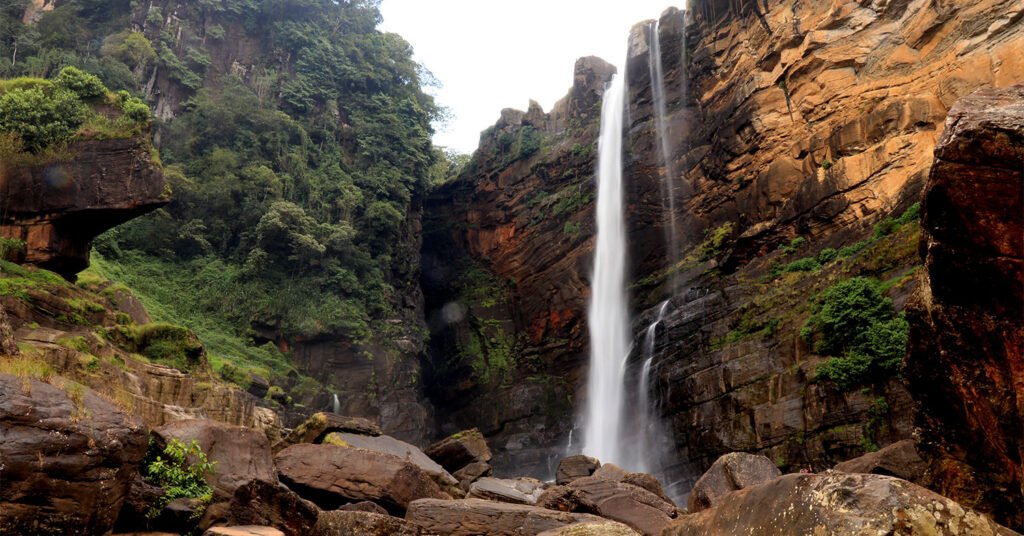
Tucked away in the misty hills of Talawakele, St Clair Waterfalls—often called the Little Niagara of Sri Lanka—is one of the island’s most breathtaking natural gems. As one of the widest waterfalls in Sri Lanka, this stunning double-drop cascade slices through emerald tea fields, offering an unforgettable view that feels straight out of a dream. Whether you’re a seasoned traveler or just craving a peaceful escape, this hidden treasure in Nuwara Eliya’s scenic hill country is easy to reach, yet rich in serenity. With every drop of water echoing through the valley, St Clair’s Falls promises more than just a pretty picture—it’s a full-sensory experience that captures the wild, unfiltered beauty of Sri Lanka waterfalls at their finest.
Key Facts About St Clair Waterfalls
Planning a visit to St Clair Waterfalls? Here’s everything you need to know at a glance—whether you’re mapping out your route or just curious about this famous gem in Sri Lanka’s hill country.
📍 Location
St Clair’s Falls is located in Talawakele, in the Nuwara Eliya District of Sri Lanka’s Central Province. It’s part of the Kotmale Oya, a tributary of the Mahaweli River, and is surrounded by rolling tea plantations that make the journey as beautiful as the destination.
📏 Height
The waterfall is actually made up of two separate cascades:
Maha Ella (“The Greater Fall”) – 80 meters high and 50 meters wide
Kuda Ella (“The Lesser Fall”) – 50 meters high, flowing just downstream of the main fall
Together, they create one of the widest waterfalls in Sri Lanka, earning the nickname “Little Niagara.”
🥾 Trail Difficulty
Distance from the main road: About 500 meters
Trail type: Gentle slope through scenic tea estates
Difficulty: Easy to Moderate
Even beginners can manage the walk, and the surrounding greenery makes the short hike a rewarding part of the adventure.
🕒 Opening Hours
6:00 AM – 6:30 PM
Although there’s no official gate or ticket office, it’s best to visit during daylight hours for the best visibility and safety. Early mornings and late afternoons offer the softest natural light for photography.
💰 Entry Fee
Free access
There’s no entrance fee to view St Clair’s Falls, and the lookout point is right off the road, making it an easy stop for travelers driving or taking the train through Talawakele.
How to Reach St Clair Waterfalls
Getting to St Clair Waterfalls is part of the adventure. Whether you’re coming from Colombo, Kandy, or Ella, this scenic destination in the heart of Sri Lanka’s hill country is well connected and easy to reach. Here’s a breakdown of your travel options from major cities to Talawakele—the charming town closest to the falls.
🟫 From Major Cities – Travel Time & Options
| From | Mode | Duration | Notes |
|---|---|---|---|
| Colombo | Train + Tuk | 6–7 hrs | Take the scenic Kandy–Ella railway line to Talawakele, then hop in a tuk-tuk to the falls (about 10 minutes). |
| Private Car | 4.5–5 hrs | Direct route via Avissawella and Hatton. Ideal for comfort and flexibility. | |
| Bus | 6–8 hrs | Buses to Hatton, then transfer to Talawakele. More affordable but slower. | |
| Nuwara Eliya | Bus/Tuk | 1–1.5 hrs | The closest major city. Regular local buses or tuk-tuks available. Great for short day trips. |
| Private Car | 1 hr | Quick and convenient with great views along the way. | |
| Ella | Train + Car | 2.5–3 hrs | A scenic train ride through the highlands followed by a short drive. Stunning journey! |
| Kandy | Train/Car | 2.5–3 hrs | Choose between a hill-country train ride or a relaxed drive through winding mountain roads. |
💡 Travel Tip: Use Google Maps, PickMe, or local travel apps to check real-time traffic, train schedules, or to book a taxi from nearby towns. Travel times may vary depending on road conditions and weather—especially during the monsoon season.
What to Expect at St Clair Waterfalls
Visiting St Clair Waterfalls is like stepping into a postcard. Surrounded by lush tea plantations and rolling hills, this twin waterfall offers a peaceful escape from the buzz of city life.
🏞️ Scenic Beauty and Landscape
The falls are made up of Maha Ella and Kuda Ella, cascading side by side through a sea of emerald green. From most viewpoints, especially along the Hatton–Talawakele road or even from the train, you’ll enjoy uninterrupted views of these wide, gushing cascades flowing gracefully through the heart of the tea country in Sri Lanka.
Panoramic views from designated lookout points
Framed by century-old tea bushes and misty mountain air
A perfect photo opportunity in every direction
🚶 Easy Access and Viewpoints
One of the best parts about visiting St Clair’s Falls is how easy it is to reach.
Observation decks are just off the main road
Talawakele Railway Station offers clear views as you pass
A short trail through the St Clair Tea Estate brings you closer to nature
Whether you’re driving, hiking, or simply hopping off a train, you won’t miss the view.
🌧️ Best Season to Visit
The falls are most impressive during the rainy season (May to August) when the water flow is powerful and the surrounding vegetation bursts into deep greens.
During drier months, the cascade still flows but may appear gentler. Early mornings offer magical light and a better chance to avoid crowds.
🕊️ Atmosphere and Activities
Expect a calm, serene vibe with just the sounds of flowing water and chirping birds. While swimming is not permitted due to safety concerns, the area is perfect for:
Light hikes through the tea fields
Quiet nature walks
Landscape and travel photography
Pack a camera, wear good shoes, and let the peaceful energy of St Clair Waterfalls refresh your spirit. It’s not just a destination—it’s a moment of stillness in your journey through Sri Lanka.
Tips for Visiting St Clair Waterfalls
A trip to St Clair Waterfalls is truly unforgettable—but a little preparation goes a long way in making the most of your visit. Whether you’re planning a quick stop or a half-day hike, these practical tips will help you stay safe, comfortable, and fully immersed in the experience.
👟 What to Wear and Bring
Wear sturdy shoes: The trail through the tea estate is scenic but can be slippery, especially after rain. Good grip matters.
Bring water and light snacks: There are no shops or food stalls near the base of the waterfall, so pack what you need in advance.
Don’t forget your camera or phone: The landscape is stunning, and you’ll want to capture the wide, cascading beauty of St Clair’s Falls from every angle.
Carry a light rain jacket or umbrella: Mist and sudden showers are common in the hill country.
🚶 Trail & Etiquette
Avoid visiting late in the day: As the light fades and mist settles in, visibility drops, and photos won’t do the falls justice.
Stick to the path: The waterfall flows through private tea estate property, so always stay on marked trails and respect local boundaries.
Leave no trace: Take your litter with you and help protect one of Sri Lanka’s most beautiful waterfalls.
📅 Best Time to Visit St Clair Waterfalls
| Season | What to Expect |
|---|---|
| May to August | Rainy season — waterfall is at its most powerful and dramatic |
| December to March | Dry season — clearer skies, ideal for photography and hiking |
Each season offers something special, so choose based on whether you’re chasing waterfalls in full flow or crystal-clear views for your travel photos.
Best Photography Tips for St Clair Waterfalls
Capturing the magic of St Clair Waterfalls through your lens is a must for any traveler or nature photographer. With its wide, double-tiered cascade surrounded by tea-covered hills, this spot offers a range of angles and lighting opportunities. Whether you’re shooting with a DSLR, phone, or drone, here are some expert tips to help you get the most out of your visit.
🌅 Time It Right – Golden Hour Is Your Best Friend
Aim for early morning (7–9 AM) or late afternoon (4–6 PM) to catch the soft, diffused lighting.
These times reduce harsh shadows and bring out the deep greens of the tea estates and the rich texture of the waterfall’s flow.
Early mornings are especially peaceful and less crowded—ideal for setting up your gear.
📸 Best Viewpoint – 90 km Post Curve
One of the most popular photo spots is the observation deck near the 90 km post curve on the Hatton–Talawakele road.
From here, you can frame both Maha Ella and Kuda Ella in a single wide shot, with rolling hills in the background.
Don’t rush—take a few minutes to find your perfect angle!
🚁 Drone-Friendly Location
The open landscape and minimal tree cover make this a great location for drone photography.
You’ll get incredible aerial views of the falls winding through tea plantations.
Remember: Always check local drone regulations and secure necessary permits before flying.
🎥 Pro Tips for That Silky Waterfall Effect
Want that dreamy, flowing-water look? You’ll need:
A tripod to keep your shot steady
An ND (neutral density) filter to reduce light and allow for longer exposures
A shutter speed between 1–5 seconds, depending on light conditions and the volume of the falls
With a little planning and the right tools, St Clair Waterfalls can deliver some of the most stunning nature shots in Sri Lanka’s hill country. Whether you’re shooting wide landscapes, detailed water motion, or atmospheric drone footage, this waterfall is a true visual treasure.
Local Stories, Legends, or Environmental Concerns
Beyond its breathtaking beauty, St Clair Waterfalls carries a rich blend of history, identity, and environmental significance that adds even more depth to your visit.
🏞️ “Little Niagara” of Sri Lanka
Often referred to as the “Little Niagara”, St Clair’s Falls has earned this nickname thanks to its impressive width and twin cascade structure. It’s not just a visual wonder—it’s a symbol of natural grandeur in Sri Lanka’s central highlands, drawing both locals and tourists alike.
🌿 Colonial Roots and Naming History
The waterfall is named after the St Clair Tea Estate, one of the oldest plantations in the region. This estate dates back to the British colonial era, a time when many of the tea fields and railways in Nuwara Eliya District were first established. The name “St Clair” is believed to honor a British pioneer or estate manager who helped shape the early days of Sri Lanka’s tea industry.
⚠️ Environmental Impact and the Upper Kotmale Project
While St Clair Waterfalls remains a stunning sight, it hasn’t been untouched by modern development. The Upper Kotmale Hydropower Project, built upstream, has significantly affected water flow to the falls. Located just 2.2 kilometers downstream from the dam, the waterfall has seen a noticeable drop in volume, especially outside designated release hours.
To preserve its visual appeal, the government mandated a daily water release—47,250 cubic meters for 10.5 hours, from sunrise to sunset. However, environmentalists and nature lovers continue to express concern over the long-term impact on both the St Clair’s Falls ecosystem and visitor experience.
🌱 Ongoing Conservation Awareness
Despite its challenges, St Clair’s Falls stands as a reminder of the delicate balance between progress and preservation. Locals, conservation groups, and tourism advocates continue to push for responsible water management and sustainable tourism practices to ensure this iconic waterfall doesn’t fade from its former glory.
FAQs About St Clair Waterfalls
Curious about planning your visit to St Clair Waterfalls? Here are the answers to the most commonly asked questions—ideal for helping you prepare and make the most of your experience.
Can you swim at St Clair Waterfalls?
No, swimming is not allowed at St Clair Waterfalls. The strong currents and slippery rocks make it unsafe for visitors to enter the water. Instead, enjoy the view from the observation points and nearby trails—it’s just as refreshing for the soul!
How tall is St Clair Waterfall?
The waterfall features two distinct drops:
Maha Ella (The Greater Fall) is approximately 80 meters high and 50 meters wide.
Kuda Ella (The Lesser Fall) stands at 50 meters high.
Together, they form one of the widest waterfalls in Sri Lanka, making it a must-see natural wonder.
Is St Clair Waterfalls accessible by train?
Yes! You can easily reach St Clair’s Falls by train. The nearest stop is Talawakele Railway Station, and the falls are visible from the train itself as it winds through Sri Lanka’s scenic hill country on the Main Line route. From the station, a short tuk-tuk ride gets you even closer.
What is the best time to visit St Clair’s Falls?
Timing makes a big difference:
May to August – Ideal for those who want to see the waterfall in full flow after seasonal rains.
December to March – Offers clearer skies and excellent conditions for photography and light trekking.
Is it safe to hike to St Clair Waterfalls?
Yes, the hike to St Clair Waterfalls is considered safe and beginner-friendly, but it’s important to stick to marked trails. The 500-meter path through the tea estate is easy to moderate, but can get slippery after rain. Wear proper shoes and avoid hiking during heavy showers.
What other waterfalls are near St Clair’s Falls?
Devon Falls is the closest and most popular nearby waterfall—just 6 kilometers away. It makes a perfect combo trip with St Clair’s, especially if you’re exploring the Nuwara Eliya region. Other nearby natural attractions include tea estates, forest trails, and viewpoints.
What’s the difference between Maha Ella and Kuda Ella?
Maha Ella is the main, larger cascade of St Clair Waterfalls, known for its dramatic drop and wide flow. Just downstream, Kuda Ella is the smaller companion fall. Both are part of the same watercourse, offering a stunning double-waterfall view that’s rare in Sri Lanka.
Why St Clair Waterfalls Deserves a Spot on Your Sri Lanka Itinerary
If you’re seeking a destination that blends natural beauty, rich history, and a touch of adventure, St Clair Waterfalls should be high on your Sri Lanka travel list. Nestled in the heart of the country’s scenic tea country, this wide, twin-drop waterfall is more than just a pretty view—it’s a visual and emotional treat that stays with you long after you leave.
Accessible from major cities and close to iconic places like Nuwara Eliya and Devon Falls, St Clair’s Falls is incredibly easy to visit. Whether you’re arriving by train, car, or bus, the journey itself is just as beautiful as the destination. Add a gentle walk through tea estates, cool mountain air, and the soothing sound of cascading water, and you’ve got the perfect escape from the hustle of daily life.
This is a place that speaks to all kinds of travelers:
Nature lovers will enjoy the untouched beauty and tranquil atmosphere
Photographers will find countless compositions and golden hour lighting
Cultural explorers will appreciate the colonial-era tea estates and stories behind the name
From sunrise mist to golden hour glow, St Clair Waterfalls offers moments of awe, serenity, and inspiration in equal measure. It’s not just one of the best waterfalls in Sri Lanka—it’s one of the most memorable.
So if you’re planning your route through the highlands, don’t miss this hill country gem. It’s the kind of place that turns a trip into a story worth telling.