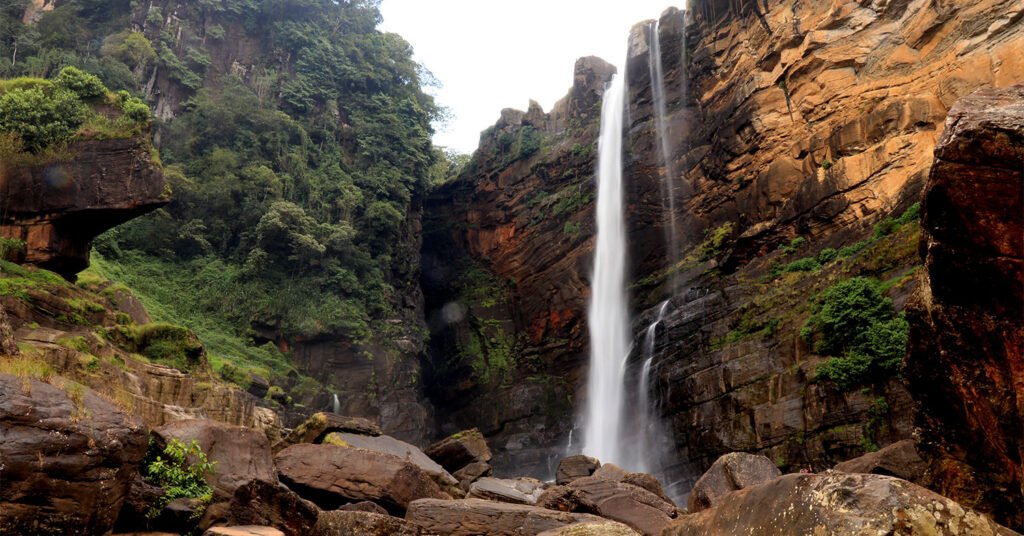
Perched high in Sri Lanka’s central highlands, Horton Plains National Park is a magical blend of mist, mystery, and untamed beauty. A UNESCO World Heritage Site, this high-altitude wonderland is famous for its unique ecosystem—where montane grasslands meet cloud forests, and rare wildlife like the purple-faced langur and sambar deer roam free. Whether you’re chasing the dramatic views from World’s End, standing in awe at Baker’s Falls, or simply soaking in the crisp mountain air, Horton Plains is a dream come true for adventure travelers and nature lovers alike. If you’ve been wondering, “Is Horton Plains worth visiting?”—the answer is a resounding yes. Let’s dive into everything you need to know for your unforgettable hike through this iconic national park.
Key Facts About Horton Plains National Park
Planning a visit to Horton Plains National Park? Here’s everything you need to know before you go. From its highland location to entrance fees and trail length, these quick facts will help you prepare for an unforgettable nature adventure in Sri Lanka’s only high-altitude national park.
📍 Location
Horton Plains is located in the Central Highlands of Sri Lanka, about 30 km from Nuwara Eliya, often called “Little England” for its cool climate and colonial charm. The park sits on a plateau surrounded by tea estates, waterfalls, and dramatic peaks.
🏞️ Altitude
Rising between 2,100 and 2,300 meters (6,900–7,500 ft) above sea level, the park offers a cool, misty climate that’s perfect for trekking. The high elevation also creates a unique cloud forest ecosystem you won’t find anywhere else on the island.
📏 Size
Spanning over 3,160 hectares (31.6 km²), Horton Plains may not be the largest park in Sri Lanka, but it’s one of the most diverse. It’s home to rare plant species, endangered animals, and breathtaking landscapes that shift from open grasslands to dense forest.
🥾 Trail Length
The main hiking trail is a 9.5 to 11 km circular loop, which typically takes 3 to 4 hours to complete. Along the way, you’ll pass major attractions like World’s End, Little World’s End, and the stunning Baker’s Falls.
⏰ Opening Hours
The park is open daily from 6:00 AM to 4:00 PM. To get the best views—especially at World’s End—arrive early. Morning hikes offer clearer skies, cooler temperatures, and better chances to spot wildlife.
💰 Entrance Fee
Locals: LKR 1,500
Foreigners: USD 30+ (varies with taxes and additional service charges)
Tickets include access to all main sites within the park, but guides and transport to the entrance are additional.
🌿 UNESCO Status
In 2010, Horton Plains was declared part of the Central Highlands of Sri Lanka, a UNESCO World Heritage Site. This prestigious status highlights its global importance as a protected area for biodiversity, climate regulation, and conservation.
How to Reach Horton Plains National Park
Getting to Horton Plains National Park is part of the adventure. Tucked away in the misty highlands near Nuwara Eliya, this iconic destination is accessible by several scenic routes. Whether you’re coming from Colombo, Ella, or Kandy, here’s a breakdown of the most popular travel options and how long they take.
🟫 From Major Cities – Travel Time & Options
| From | Mode | Duration | Notes |
|---|---|---|---|
| Colombo | Train + Tuk | 6–7 hrs | Scenic ride to Ohiya, tuk-tuk to park gate |
| Private Car | 4.5–5 hrs | Fastest and most comfortable | |
| Kandy | Train + Tuk | 4–5 hrs | Via Peradeniya, offers beautiful views |
| Nuwara Eliya | Car or Tuk | 1–1.5 hrs | Closest access point, direct and easy |
| Ella | Train + Tuk | 2–3 hrs | Jaw-dropping mountain views en route |
💡 Pro Tip: If you’re traveling by train, get off at Ohiya or Pattipola stations—both are close to the park entrance. From there, it’s a short tuk-tuk ride to the trailhead.
No matter where you start, the journey to Horton Plains is part of what makes the experience special. The winding roads, cool mountain air, and lush green backdrops set the stage for the adventure that awaits inside the park.
What to Expect at Horton Plains National Park
A visit to Horton Plains National Park is like stepping into another world—one where clouds hug the hills, wildlife roams free, and every turn on the trail reveals something extraordinary. Whether you’re an avid hiker, a nature photographer, or simply a traveler looking for serenity, here’s what you can look forward to inside this breathtaking highland reserve.
🌫️ Misty Grasslands and Cloud Forests
The park is famous for its striking contrast of open grasslands and dense cloud forests. These mist-covered meadows and shadowy woods create a surreal, almost dreamlike atmosphere. One moment you’re walking under a canopy of moss-draped trees, the next you’re out in golden fields with wide-open skies.
🌄 World’s End and Little World’s End
The main highlight of the park is World’s End—a dramatic cliff with an 870-meter drop. On a clear morning, you can see all the way to the southern coastline of Sri Lanka. Just before that, you’ll find Little World’s End, a smaller but equally scenic viewpoint. Both spots are perfect for those seeking jaw-dropping panoramic views.
🌺 Wildflowers and Rhododendrons
Depending on the season, you’ll find seasonal wildflowers blooming across the plains, painting the landscape with color. One of the most iconic plants here is the Rhododendron arboreum, known for its bright red clusters that bloom during the cooler months.
🦌 Wildlife and Birdwatching
Horton Plains is a paradise for wildlife lovers. Expect to see sambar deer grazing peacefully in the grasslands and, if you’re lucky, the purple-faced langur swinging through the trees. Birdwatchers will love spotting endemic species like the Sri Lanka whistling thrush and the dull-blue flycatcher along the trail.
🚫 No Shops or Food Stalls
It’s important to know there are no shops, cafes, or food stalls inside the park. Make sure to bring your own water and snacks before entering. Remember, it’s also a no-plastic zone, so pack eco-friendly and reusable containers.
Hiking the Horton Plains Loop Trail
One of the best ways to explore Horton Plains National Park is by trekking its famous loop trail—a scenic hike that takes you through the heart of Sri Lanka’s only highland national park. Whether you’re here for the views, wildlife, or the cool mountain air, this trail offers a bit of everything.
🥾 Total Distance and Duration
The Horton Plains circular trail stretches 9.5 to 11 kilometers and usually takes about 3 to 4 hours to complete at a comfortable pace. It’s well-marked and designed as a loop, so you’ll end up where you started, making it easy to plan.
🗺️ Trail Highlights and Route
Here’s a look at the main sections of the trail, each offering something unique:
Red Bridge – The trailhead near the visitor center, where your journey begins.
Little World’s End – A smaller cliff with stunning early-morning views.
Big World’s End – The iconic viewpoint with an 870-meter drop.
Baker’s Falls – A serene detour featuring a 20-meter waterfall surrounded by thick ferns.
Chimney Pool – A quiet pond area near the final stretch of the trail.
Most hikers choose the clockwise direction to reach World’s End before the mist rolls in.
🧗♂️ Trail Difficulty
This is an easy to moderate hike with a few rocky and muddy patches. No technical skills are needed, but sturdy footwear and a decent fitness level will help. Families with kids often complete it without trouble.
🌅 Pro Tip: Start Early
If you want clear views at World’s End, start your hike before 7:00 AM. By mid-morning, thick mist often covers the cliffs, and you might miss the best vistas. Early starts also mean cooler temperatures and better chances of spotting wildlife.
Must-See Highlights in Horton Plains National Park
Horton Plains National Park is more than just a scenic walk—it’s filled with dramatic cliffs, hidden waterfalls, panoramic viewpoints, and rich biodiversity. Here are the key attractions that make this misty plateau one of Sri Lanka’s most unforgettable destinations.
🟧 Big World’s End – A Stunning 870m Drop
One of the park’s most iconic features, Big World’s End is a sheer cliff with a jaw-dropping 870-meter vertical drop. On a clear morning, you can see all the way to the southern coastline of Sri Lanka. The view is breathtaking, especially around sunrise.
🕗 Best time to visit: Before 9:00 AM to avoid the mist.
🟧 Baker’s Falls – Scenic and Serene
Tucked along a lush forest detour, Baker’s Falls is a 20-meter waterfall named after British explorer Samuel Baker. Surrounded by giant ferns and moss-covered rocks, it’s a peaceful spot perfect for nature photography and a short break during your hike. The cascading water and mist create a tranquil, almost magical setting.
🟧 Little World’s End – First Viewpoint on the Trail
Located about 2 km from the trailhead, Little World’s End offers a dramatic cliffside view, though smaller than its “big” counterpart. It’s the first major stop on the trail and provides a great introduction to the park’s unique topography and open vistas.
🟧 Kirigalpotta & Thotupola Trails – Highest Accessible Peaks
For hikers looking to go beyond the main loop, Kirigalpotta (2,388m) and Thotupola Kanda (2,357m) are the second and third highest mountains in Sri Lanka. These trails are more rugged and less crowded, perfect for those craving a challenge and panoramic views from the island’s highest accessible peaks.
🟧 Patana Grasslands and Cloud Forest – Biodiversity Hotspots
Horton Plains is a sanctuary for plant and animal life. The Patana grasslands stretch across rolling hills and contrast beautifully with the dense cloud forests, rich with orchids, lichen-covered trees, and rare bird species. This mix of ecosystems makes the park a paradise for wildlife lovers and biodiversity researchers alike.
Tips for Visiting Horton Plains National Park
A trip to Horton Plains National Park is an incredible experience—but a little planning can make it even better. With high altitudes, changing weather, and strict park rules, it’s important to be prepared before setting off on your hike. Here are some smart tips to help you get the most out of your visit.
🕖 Start Your Hike Early
The best views at World’s End are only visible before the mist rolls in—usually around 9:00 AM. To catch the clearest skies and peaceful trails, start your hike before 7:00 AM. Early mornings also offer cooler temperatures and better wildlife sightings.
👟 Wear Proper Hiking Footwear
The loop trail can be muddy, rocky, and slippery, especially after rain. Sturdy hiking boots with good grip are highly recommended to ensure comfort and safety throughout the 3–4 hour hike.
🥤 Pack Your Own Snacks and Water
There are no food or drink stalls inside Horton Plains. Bring your own refillable water bottle and light snacks like energy bars or fruit. Staying hydrated and fueled is key to enjoying the full trail.
🚫 No Plastic Allowed
To protect the fragile ecosystem, single-use plastics are banned in the park. Bags will be inspected at the entrance, so avoid bringing plastic bottles, wrappers, or bags. Use reusable containers instead—it’s good for the environment and your hike.
🌦️ Dress for Changing Weather
At 2,100+ meters above sea level, the weather can change quickly. Even if it’s sunny when you start, you may encounter mist, rain, or chilly winds. Always carry a light jacket, a raincoat or umbrella, and wear layers to adapt to temperature changes.
📅 Best Time to Visit Horton Plains National Park
| Season | What to Expect |
|---|---|
| Jan – Mar | Clear skies, perfect for photography |
| Apr – May | Rhododendron blooms, vibrant wildflowers |
| Jun – Sep | Cool air, mystical mist, fewer tourists |
Each season offers a different charm—whether it’s crystal-clear views or a magical, foggy atmosphere. But for the best visibility at World’s End, January through March is the top pick.
Best Photography Tips for Horton Plains National Park
Horton Plains National Park is a dream for photographers—with misty mountains, dramatic cliffs, waterfalls, and wildlife all packed into one breathtaking trail. Whether you’re using a DSLR, mirrorless camera, or even a smartphone, here are some essential tips to help you capture stunning shots on your hike.
📸 Best Lighting: 6:30 AM to 9:30 AM
The golden window for photography in Horton Plains is between 6:30 AM and 9:30 AM. This is when the morning light is soft and golden, and the skies are usually the clearest. It’s also your best shot at catching unobstructed views at World’s End, before the mist rolls in.
🚁 Drone Usage – Check Regulations First
While aerial photos can be tempting, drone use is restricted inside the national park. You must obtain written permission from the Department of Wildlife Conservation (DWC) before flying. Unauthorized drones may be confiscated, so always check the latest guidelines before bringing one along.
🌫️ Embrace the Mist – Shoot in RAW
The park’s ever-changing misty conditions can make photos look magical—but they can also be tricky. Shooting in RAW format gives you more control in post-processing, allowing you to recover details from foggy or low-contrast images.
🧍♂️ Bring a Tripod for Baker’s Falls
To capture the smooth, silky flow of Baker’s Falls, use a sturdy tripod and try long-exposure settings. A shutter speed of 1–3 seconds works well, especially with an ND filter if it’s sunny. Position your tripod on stable rocks and experiment with different angles for the best composition.
🦌 Use a Telephoto Lens for Wildlife
Horton Plains is home to sambar deer, purple-faced langurs, and countless bird species. For crisp wildlife shots, a telephoto lens (200mm or more) is ideal. Keep a safe distance, stay quiet, and use burst mode to capture fast movements in the wild.
Legends and History of Horton Plains
Horton Plains National Park is more than just a natural wonder—it’s a place steeped in ancient legends, colonial history, and traces of prehistoric life. Every part of this misty plateau whispers a story, making your visit not only scenic but deeply meaningful.
🏔️ Maha Eliya Thenna – The Ancient Name
Before it was known as Horton Plains, the area was called Maha Eliya Thenna, which means “Great Open Plain” in Sinhala. This name reflects the wide, sweeping grasslands that define the landscape and have captivated locals for centuries.
🛕 Ties to King Ravana and the Ramayana
According to Sri Lankan folklore and Hindu mythology, Horton Plains is connected to the legend of King Ravana. Some believe that the nearby Thotupola Kanda was one of the ancient “airports” used by Ravana’s flying chariot, the Dandumonara, during the events of the Ramayana. This adds a mystical layer to the plains and draws pilgrims and curious travelers alike.
🧭 Rediscovered and Renamed by the British
In the early 1800s, British explorers stumbled upon this mysterious plateau during their colonial expeditions. It was later renamed Horton Plains in honor of Sir Robert Wilmot-Horton, the then-Governor of Ceylon. The British were so captivated by the area’s beauty and cool climate that it became a favorite hunting and retreat ground.
🗿 Evidence of Prehistoric Life
Long before legends or colonizers, prehistoric humans once roamed Horton Plains. Archaeologists have discovered stone tools and pollen samples dating back over 10,000 years, suggesting that early hunter-gatherers lived here and may have practiced primitive agriculture. These findings make Horton Plains one of the oldest known human habitats in Sri Lanka’s highlands.
FAQs About Horton Plains National Park
Planning a visit to Horton Plains National Park? Here are answers to the most frequently asked questions that will help you prepare for a safe, enjoyable, and unforgettable experience.
What is Horton Plains famous for?
Horton Plains is famous for its dramatic viewpoints like World’s End, Baker’s Falls, and unique biodiversity. It’s also a UNESCO World Heritage Site known for its cloud forests, Patana grasslands, and rare wildlife including the Sri Lankan sambar deer and purple-faced langur.
How long is the Horton Plains walk?
The main trail is a 9.5–11 km circular loop that typically takes 3 to 4 hours to complete. It covers all the major highlights including Little World’s End, Big World’s End, and Baker’s Falls. It’s suitable for most fitness levels and can be enjoyed at a relaxed pace.
Is Horton Plains worth visiting?
Absolutely! Horton Plains is one of Sri Lanka’s most spectacular natural parks. From panoramic views and cool mountain air to rich wildlife and serene trails, it’s a must-visit for nature lovers, hikers, photographers, and anyone looking to connect with the island’s wild side.
What is the ticket price for foreigners?
The entrance fee for foreign visitors is approximately USD 30–35, which includes park admission and vehicle fees. Prices may vary slightly depending on taxes and the number of visitors in your group.
Can I camp or stay inside the park?
Camping is allowed at designated sites within Horton Plains, but it must be booked in advance through the Department of Wildlife Conservation. There are no hotels or shops inside the park, so visitors typically stay in nearby towns like Nuwara Eliya or Ohiya.
What animals can be seen at Horton Plains?
The park is home to sambar deer, wild boars, purple-faced langurs, leopards, and a variety of endemic birds like the Sri Lanka whistling thrush. Early mornings are the best time to spot wildlife along the trail and near water sources.
Is World's End safe for kids?
World’s End is safe for children with supervision. There are no guard rails at the edge, so it’s important to keep a close eye on kids and maintain a safe distance from the cliff. Early visits also mean fewer crowds and better control along the path.
Why Horton Plains Should Be on Your Travel Bucket List
If you’re seeking a place where raw beauty, biodiversity, and peace converge, Horton Plains National Park deserves a top spot on your Sri Lanka adventure list. From its sweeping grasslands and misty cloud forests to dramatic cliffs and rare wildlife, this highland plateau offers a nature experience unlike any other in the country.
Here’s why it stands out:
🌿 Unique Ecosystem: The combination of cloud forest and Patana grasslands is rare, even within Sri Lanka’s rich natural landscape. It creates a thriving habitat for endemic species and stunning plant life.
📸 Unforgettable Hikes: The loop trail to World’s End and Baker’s Falls is one of the most scenic hikes in Sri Lanka—gentle yet rewarding, ideal for travelers of all fitness levels.
🌍 Eco-Tourism Friendly: Horton Plains encourages responsible travel with strict conservation rules. It’s a model for sustainable tourism where nature comes first.
🧭 Great for Every Kind of Explorer: Whether you’re a wildlife enthusiast, landscape photographer, hiking newbie, or history lover, the park has something to spark your curiosity.
🏆 UNESCO World Heritage Status: As part of the Central Highlands of Sri Lanka, Horton Plains isn’t just beautiful—it’s globally recognized for its environmental value and geological importance.