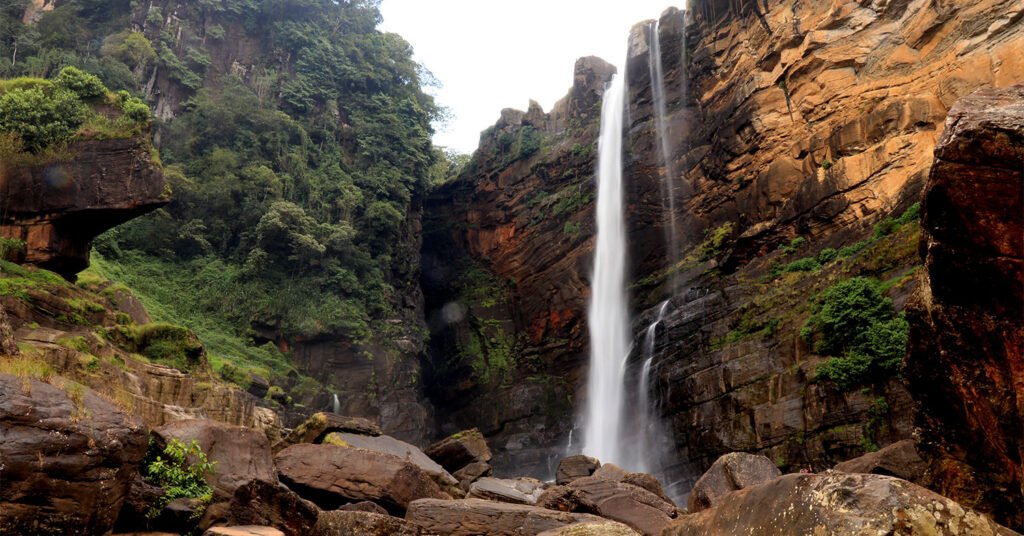
Looking for a picture-perfect escape in Sri Lanka’s hill country? Devon Falls, often called the “Veil of the Valley,” is one of the most captivating waterfalls you’ll ever lay eyes on. Just a short ride from Nuwara Eliya, this elegant, tiered cascade is the ideal retreat for travelers craving a moment of peace and natural beauty. Surrounded by misty hills and lush tea plantations, Devon Falls delivers breathtaking views and photo ops that feel straight out of a postcard. It’s easy to reach, yet feels worlds away—making it a must-visit spot for anyone exploring the Central Highlands. Whether you’re a nature lover, a photographer, or just in need of a refreshing break, Devon Falls Sri Lanka is worth every second of the trip.
Key Facts About Devon Falls
Planning a visit to Devon Falls? Here are the essential details to know before you go. Whether you’re a casual sightseer or a serious nature photographer, these quick facts will help you make the most of your stop at one of Sri Lanka’s most iconic waterfalls.
📍 Location
Devon Falls is located in Talawakele, nestled within the lush hills of the Nuwara Eliya District. It’s easily accessible via the scenic A7 highway, making it a perfect detour for anyone exploring the Central Highlands.
📏 Height
Standing at an impressive 97 meters (318 feet), Devon Falls is the 19th tallest waterfall in Sri Lanka. Its graceful, tiered descent gives it the nickname “Veil of the Valley”—a must-see sight for any waterfall lover.
🥾 Trail Difficulty
Good news for travelers of all fitness levels: the main viewing point is easy to reach.
No strenuous hiking required
A few optional short trails are available if you want to explore more angles
Most visitors view the waterfall from the road or nearby tea center
🕒 Opening Hours
Devon Falls is open 24 hours a day, but it’s best visited during daylight hours for the clearest views and safest conditions. Early morning and late afternoon offer magical lighting, perfect for photography.
💰 Entry Fee
There is no official entry fee to view Devon Falls.
However:
Some viewpoints or parking areas may charge a small fee (LKR 100–200)
Tea centers nearby may also offer paid guided access to better vantage points
How to Reach Devon Falls
Reaching Devon Falls is surprisingly easy—whether you’re coming from Colombo, Nuwara Eliya, or even Ella. Thanks to its location on the A7 highway in Talawakele, this iconic Sri Lankan waterfall is well-connected by road and rail, making it a convenient stop during any hill country adventure.
🟫 From Major Cities – Travel Time & Options
Here’s a quick guide on how to get to Devon Falls from popular tourist hubs across Sri Lanka:
| From | Mode | Duration | Notes |
|---|---|---|---|
| Colombo | Train + Tuk | 6–7 hrs | Scenic ride to Hatton, then tuk-tuk to the falls |
| Private Car | 4.5–5 hrs | Direct, flexible, and ideal for comfort | |
| Bus | 6–8 hrs | Most budget-friendly, may require transfers | |
| Nuwara Eliya | Private Car/Tuk | 1–1.5 hrs | Closest city—beautiful drive along the A7 |
| Ella | Private Car | 2.5–3 hrs | Via Bandarawela and Nuwara Eliya; very scenic |
💡 Pro Tip: If you’re coming from Hatton or Nuwara Eliya, be sure to stop by the Mlesna Tea Center—home to one of the best Devon Falls viewpoints. From there, you can take a left turn at Dimbula onto the Dimbula–Nawalapitiya Road, then drive about 700 meters to see the top of the waterfall.
What to Expect at Devon Falls
Visiting Devon Falls is like stepping into a postcard. This majestic Sri Lankan waterfall, known for its graceful 97-meter drop, offers a complete sensory experience surrounded by natural beauty and peaceful hillside charm.
🌿 A Towering Cascade Amidst Tea Plantations
Devon Falls is framed by lush green tea estates, giving you a picture-perfect setting the moment you arrive. The sight of the white water cutting through the green landscape is absolutely stunning—especially during or just after the rainy season when the water flow is at its most powerful.
📸 Best Viewpoints for Visitors
There are two main places to soak in the best views:
Mlesna Tea Center Viewpoint – Ideal for panoramic shots while sipping a warm cup of Ceylon tea
Dimbula Road Viewpoint – Take a short detour along Dimbula–Nawalapitiya Road to see the top of the falls up close
Both spots offer excellent opportunities for photography and quiet moments to enjoy the sound of falling water echoing through the valley.
💨 Misty Spray & Gentle Breeze
The atmosphere around Devon Falls is cool and refreshing. Expect a soft mist in the air, carried by a gentle breeze scented with eucalyptus. You may even spot macaque monkeys lounging on nearby railings or swinging through the trees—a playful addition to your nature escape.
⚠️ No Swimming Zone
While the waterfall may look tempting, swimming is not allowed. The rocks are extremely slippery, and the water currents can be dangerous. It’s best to admire the beauty from a safe distance.
🍃 Tiered Beauty in Every Season
Devon Falls flows in three dramatic drops, cascading over jagged rocks and creating a flowing curtain of water. During the dry months, the waterfall still holds its charm, but after a good rain, it transforms into a roaring spectacle surrounded by vibrant greenery and blooming flora.
Tips for Visiting Devon Falls
A trip to Devon Falls is guaranteed to be a highlight of your journey through Nuwara Eliya’s hill country, but a little preparation can go a long way. Here are some smart, practical tips to help you enjoy this iconic Sri Lankan waterfall to the fullest.
👟 Dress for the Terrain
Even though the main viewpoint is easily accessible, you’ll want to wear sturdy shoes if you plan to explore any of the nearby paths or viewpoints. The terrain can be uneven, and the rocks around the falls may be slippery—especially after rain.
📸 Don’t Forget Your Camera
Devon Falls is a dream spot for photographers.
Pack the essentials:
A zoom lens for capturing the details of the cascading water
A tripod for those long-exposure waterfall shots
A lens cloth to wipe off any mist from your lens
The contrast between the white water, green hills, and tea plantations makes every frame worth capturing.
🌅 Time Your Visit Right
For the best lighting and fewer crowds, aim to visit in the early morning or during golden hour just before sunset. The soft light at these times enhances the beauty of the falls and makes your photos even more magical.
⚠️ Safety First
While the area around Devon Falls is generally safe, it’s important to respect boundaries.
Do not attempt to swim—the rocks are slick, and the currents are unpredictable
Be cautious near cliff edges and steep drop-offs
Keep an eye on kids and stay on marked paths
📅 Best Time to Visit Devon Falls
If you want to see Devon Falls at its fullest, plan your visit between December and March or February to May. These months typically offer the perfect combination of water flow and good weather, making it easier to explore the surrounding area and enjoy clear views of the cascade.
Nearby Attractions to Explore
A visit to Devon Falls isn’t just about one incredible waterfall—it’s a gateway to some of the most scenic and relaxing experiences in Sri Lanka’s hill country. From tea tasting with panoramic views to nearby natural wonders and cozy places to stay, here are a few attractions near Devon Falls you shouldn’t miss.
🏞 St. Clair’s Falls – “Little Niagara of Sri Lanka”
Just a few minutes away lies St. Clair’s Falls, another majestic cascade known for its wide, double-tiered drop. Often called the “Little Niagara of Sri Lanka,” it offers a contrasting yet equally captivating waterfall experience. The best part? You can view both St. Clair’s and Devon Falls from certain roadside viewpoints—making it a two-for-one scenic stop.
☕ Mlesna Tea Center – Sip with a View
Located right near the main Devon Falls viewpoint, the Mlesna Tea Center is a must-visit for tea lovers. Enjoy a fresh cup of Ceylon tea while gazing out at the cascading waters below. It’s one of the most relaxing ways to take in the landscape and learn more about Sri Lanka’s tea culture.
🛤️ Talawakele Railway Station – A Scenic Stop
If you’re traveling by train, Talawakele Railway Station is a charming stop surrounded by misty hills and tea estates. It’s a popular route on the Kandy–Ella line and a perfect way to catch stunning views of the Devon waterfall and the surrounding countryside from the window of a slow-moving train.
🏡 Canonteign Cottage & Devon Fall Cottage Pathana
For a more immersive hill country experience, stay at Canonteign Cottage or Devon Fall Cottage Pathana. These quaint accommodations offer cozy vibes, friendly hospitality, and easy access to nearby viewpoints. It’s the perfect place to unwind after a day of sightseeing.
🏨 Devon Falls Hotel – Stay Close to the Action
If you’re looking for comfort with a view, Devon Falls Hotel offers just that. Positioned to offer spectacular vistas of the waterfall, it’s a convenient option for those wanting to be close to nature without sacrificing amenities.
Best Photography Tips for Devon Falls
If you’re planning to visit Devon Falls, don’t forget to pack your camera. With its dramatic 97-meter drop, lush greenery, and misty mountain air, this iconic Sri Lankan waterfall offers endless opportunities for breathtaking shots. Whether you’re using a DSLR, a smartphone, or a drone, here are some creative tips to help you capture Devon Falls at its absolute best.
📷 Take Advantage of Early Morning Light
The soft mist and golden light during the early morning hours create a magical, dreamy atmosphere around Devon Falls. This is when the “Veil of the Valley” nickname truly comes to life. The cooler tone of the light also helps bring out the rich greens of the tea plantations that frame the cascade.
🍃 Use Natural Elements to Frame Your Shot
For a more compelling composition, try framing the waterfall with nearby tea bushes, tall grasses, or rocky ledges. These natural elements add depth and context, giving your photos a sense of place and scale that really highlights the waterfall’s surroundings.
🚁 Explore Drone-Friendly Angles (If Permitted)
If you have a drone and the weather allows, Devon Falls is a great location for aerial photography. Be mindful of local drone regulations and weather conditions, but if you’re cleared to fly, aim to capture the tiered flow of the waterfall along with the winding roads and tea estates that stretch across the hill country.
💧 Use an ND Filter for Silky Water Effects
To get that classic, smooth waterfall look, use a neutral density (ND) filter and set your camera to a long exposure. This technique blurs the motion of the water into a soft ribbon-like effect while keeping the surrounding landscape crisp and sharp.
🌊 Capture Devon and St. Clair’s Together
If you position yourself at certain roadside viewpoints, especially near Dimbula or the Mlesna Tea Center, you can capture both Devon Falls and St. Clair’s Falls in a single wide shot. The contrast between the two—one narrow and elegant, the other wide and powerful—makes for a dramatic composition.
Local Stories, Legends, or Spiritual Importance
Beyond its breathtaking beauty, Devon Falls carries a touch of colonial-era history and folklore that adds depth to your visit. While today it’s celebrated as one of the most iconic waterfalls in Sri Lanka, the name “Devon” hints at a story rooted in the country’s past.
🌿 A Colonial Connection
The waterfall is believed to be named after Mr. Devon, a British coffee planter who once owned the nearby estate during the British colonial period. His plantation thrived in the fertile highlands of Talawakele, where the cool climate and rich soil made ideal conditions for growing coffee before tea took over the region.
💧 A Tale of Devotion
According to local folklore, Mr. Devon may have named the waterfall not after himself, but after his daughter, Devon, who was said to be captivated by the fall’s elegance and charm. The poetic beauty of the name “Devon Falls” adds a sentimental layer to the landscape, making it more than just a geographical wonder—it becomes a place of personal memory and emotional connection.
☕ Remnants of the Past
Although the original coffee estates have long since transformed into lush tea plantations, the legacy of colonial agriculture still lingers in the area. The old trails, estate bungalows, and nearby tea factories reflect the region’s evolving history—from its coffee roots to its current role as a cornerstone of Sri Lanka’s tea industry.
FAQs About Devon Falls
Planning a visit to Devon Falls? Here are answers to some of the most commonly asked questions by travelers, helping you prepare for a smooth and enjoyable experience at one of Sri Lanka’s most beautiful waterfalls.
Can you swim at Devon Falls?
No, swimming is not allowed at Devon Falls. The area around the base of the waterfall is extremely slippery, and the strong currents pose a serious risk. Visitors are encouraged to enjoy the view from safe, designated viewpoints.
How far is Devon Falls from Nuwara Eliya?
Devon Falls is located approximately 30 kilometers from Nuwara Eliya, and it takes about 1 to 1.5 hours to reach by car or tuk-tuk. The journey is incredibly scenic, passing through tea estates and misty hills along the A7 highway.
Is there a best time to visit Devon Falls?
Yes. The best time to visit Devon Falls is during the months of December to March, when the water flow is strong and the weather is ideal for sightseeing. You can also visit between February and May for clearer skies and great photo opportunities.
Are there accommodations nearby?
Absolutely. There are several options close to Devon Falls, including:
🏨 Devon Falls Hotel – Known for its stunning views of the falls
🏡 Canonteign Cottage – A charming, peaceful stay nearby
🌿 Other local homestays and guesthouses in Talawakele and Dimbula
These spots offer easy access to the waterfall and nearby attractions.
Is it child-friendly?
Yes, Devon Falls is family-friendly, especially if you’re sticking to the main viewpoints along the roadside or near the Mlesna Tea Center. However, always keep children supervised, especially around railings or steep edges.
Why Devon Falls Deserves a Spot on Your Sri Lanka Itinerary
If you’re crafting the perfect Sri Lanka travel itinerary, Devon Falls is a stop you won’t want to miss. Conveniently located between Colombo and Nuwara Eliya, this stunning waterfall offers more than just a scenic photo opportunity—it’s a place where natural beauty, colonial charm, and tea culture blend into one unforgettable experience.
With its graceful 97-meter drop, easy accessibility, and tranquil surroundings, Devon Falls stands out as one of the most iconic waterfalls in Sri Lanka. The journey to the falls takes you through the heart of the Central Highlands, past rolling tea plantations, misty mountains, and charming villages. It’s a destination that appeals to nature lovers, photographers, and cultural explorers alike.
What makes Devon Falls even more special is the story behind its name—rooted in Sri Lanka’s colonial past—and the nearby attractions like St. Clair’s Falls, Mlesna Tea Center, and scenic train stops in Talawakele. Whether you’re enjoying a warm cup of Ceylon tea with a waterfall view or capturing the perfect golden-hour shot, this experience feels truly immersive.
As you enjoy the sights, consider traveling responsibly:
Stick to marked paths
Carry reusable water bottles
Leave no trace
Support local guides and eco-conscious accommodations
By choosing eco-friendly travel habits, you’re helping to preserve this natural wonder for generations to come.
So, if you’re exploring the highlands or road-tripping to Nuwara Eliya, make time for Devon Falls Sri Lanka. It’s more than just a waterfall—it’s a moment of peace, a brush with history, and a highlight of any hill country adventure.